
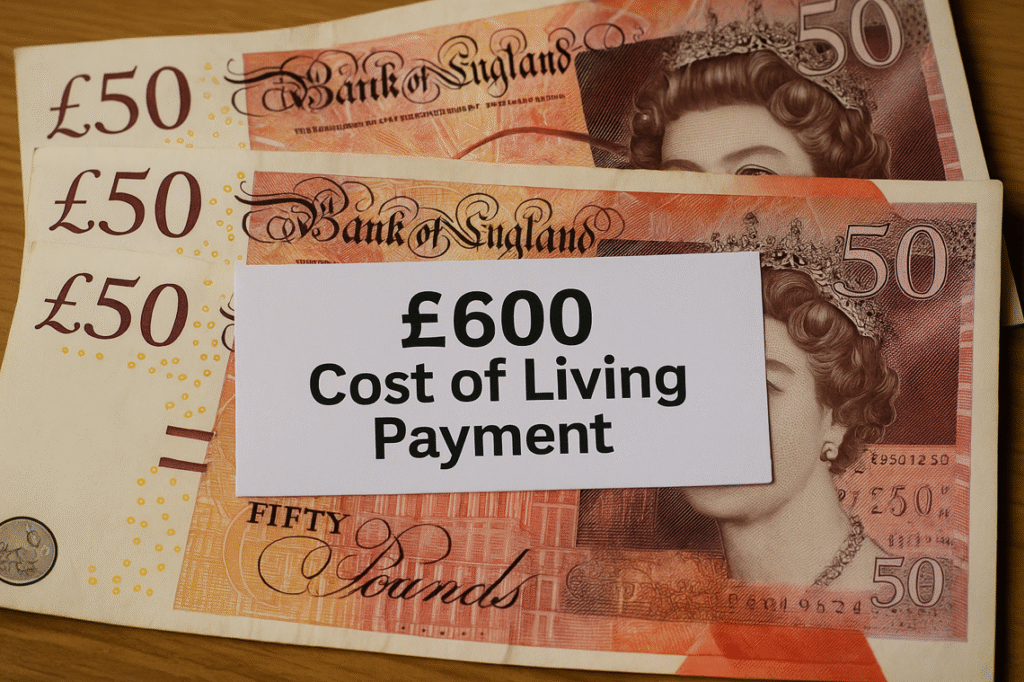
The £600 Cost of Living Payment supports UK pensioners and low-income households facing rising winter expenses. The UK Government delivers this payment automatically through the DWP and HMRC to help people manage increasing energy bills, food costs, and everyday living pressures. This guide answers the most common questions about the £600 Cost of Living Payment, including eligibility, payment dates, and how it works.
What Is the £600 Cost of Living Payment and Why Is It Important in the UK?
The £600 Cost of Living Payment is a financial support scheme provided by the UK Government to help households cope with rising living costs, particularly during the winter months. This payment is primarily targeted at pensioners, low-income households, and vulnerable groups who face increased energy and food expenses.
In late 2024 and early 2025, this scheme became part of a broader package of support measures introduced by the Department for Work and Pensions (DWP) and HM Revenue & Customs (HMRC). It combines the Winter Fuel Payment with an additional Cost of Living top-up, totalling up to £600.
Economist Martin Lewis, founder of MoneySavingExpert, explained that,
“These payments act as a lifeline for millions of UK households struggling with inflation and high energy costs.”
Who Is Eligible for the £600 Cost of Living Payment in 2025?
Eligibility for the £600 payment depends on the type of benefit you receive and your residency status in the UK. The payment is automatically sent to qualifying individuals — there’s no need to apply.
Who qualifies for the £600 pensioner cost of living payment?
You may be eligible if you:
-
Were born before 25 September 1958
-
Receive a Winter Fuel Payment
-
Lived in the UK, Isle of Man, Jersey, or Guernsey during the qualifying week
-
Are not in long-term hospital or care for more than a year
The DWP automatically adds the cost of living top-up to your Winter Fuel Payment, meaning eligible pensioners receive up to £600.
Who is not eligible for the £600 Cost of Living Payment?
Clarify exclusions, such as:
-
Those in long-term care or hospital for over 12 months
-
People in prison during the qualifying week
-
Individuals who live permanently abroad outside eligible countries
This adds transparency and reduces confusion.
What if you receive other benefits from DWP or HMRC?
You may qualify if you get one of the following:
-
Income Support
Those receiving Tax Credits through HMRC will get their payments separately, often on a slightly different schedule.
When Will the £600 Cost of Living Payment Be Paid in 2025?
The £600 payment is issued between November 2024 and January 2025. Most payments are made automatically to eligible pensioners and low-income households before Christmas.
Here’s a breakdown of expected payment dates:
| Department | Group | Payment Period | Amount |
|---|---|---|---|
| DWP | Pensioners (Winter Fuel + COL payment) | Nov 2024 – Jan 2025 | £250 – £600 |
| HMRC | Tax Credits recipients | Dec 2024 – Jan 2025 | £300 – £600 |
| DWP | Universal Credit claimants | Early 2025 | £300 – £600 |
If you haven’t received the payment by 31 January 2025, you can contact the Winter Fuel Payment Centre or DWP helpline for assistance.
How Will You Receive the £600 Cost of Living Payment?
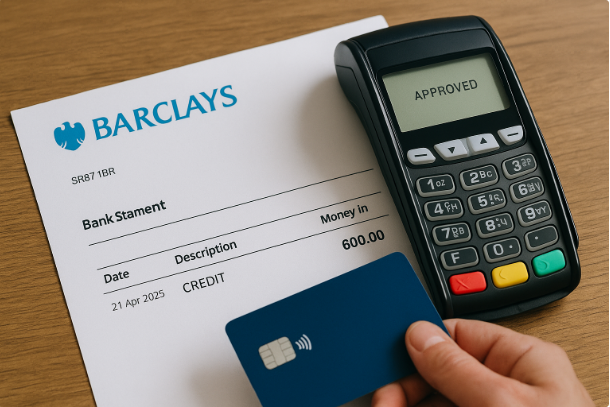
You don’t need to apply — payments are made automatically to the same bank account where you usually receive your DWP or HMRC benefits.
What will the payment reference look like?
The payment will appear on your bank statement as one of the following:
-
DWP WFP COL— for DWP recipients -
HMRC COL— for Tax Credit recipients
This helps you identify legitimate government payments and avoid scams.
What should you do if you don’t receive your payment?
If you think you’re eligible but haven’t received the money by the end of January 2025:
-
Check your bank account and payment references carefully.
-
Confirm your eligibility (especially your age and residency).
-
Contact the Winter Fuel Payment Centre or DWP directly.
How Does the £600 Cost of Living Payment Help UK Households?
The payment provides critical support during winter, especially for older citizens and low-income families struggling with energy bills and food costs.
Key benefits of the £600 payment include:
-
Reducing financial stress during the cold months
-
Helping households stay warm without compromising other expenses
-
Boosting local economies by increasing household spending
Financial analyst Sarah Coles of Hargreaves Lansdown noted that,
“For many pensioners, this payment is the difference between heating and eating.”
How is the £600 Cost of Living Payment calculated?
Many readers are confused about why some get £250, £300, £500, or £600.
You can explain:
-
Breakdown between Winter Fuel Payment (£200–£300) and Cost of Living top-up (£150–£300)
-
Example scenarios (e.g., single pensioner vs. couple)
Include a mini-table like:
| Household Type | Winter Fuel Payment | Cost of Living Top-up | Total |
|---|---|---|---|
| Single (born before 25 Sept 1943) | £300 | £300 | £600 |
| Couple (both eligible) | £200 each | £150 each | £700 total |
| Single (born after 25 Sept 1943) | £200 | £300 | £500 |
What Are the Common Issues and Delays in Receiving the £600 Cost of Living Payment?
While most payments are processed automatically, delays can occur due to:
-
Incorrect or outdated bank details
-
Changes in benefit entitlement
-
Residence outside qualifying areas
-
Overlapping payments (e.g., switching between DWP and HMRC)
If your details are correct but payment hasn’t arrived, always verify via official government channels — never respond to suspicious emails or calls claiming to “verify” your payment.
Can you get the £600 Cost of Living Payment if you live outside the UK?
Add guidance for pensioners living abroad.
Explain that recipients in EEA countries, Switzerland, Gibraltar, or certain UK territories may qualify if they have a strong UK connection.
Mention:
-
Countries where the payment applies
-
When it does not apply (e.g., warmer climates without Winter Fuel Payment eligibility)
How to avoid scams related to the £600 Cost of Living Payment?
Given the increase in phishing scams, this is essential.
Include:
-
Common scam messages and what they look like
-
Reminder that DWP never asks for bank details by text or email
-
Advice on where to report scams (Action Fraud UK)
How Does the £600 Cost of Living Payment Compare to Previous UK Support Payments?
| Year | Payment Type | Maximum Amount | Eligible Groups |
|---|---|---|---|
| 2022 | Cost of Living (Energy) | £400 | All households |
| 2023 | Cost of Living (Low-income) | £900 | UC, ESA, JSA claimants |
| 2024–2025 | Winter Fuel + COL | £600 | Pensioners and low-income groups |
The £600 payment represents a continuation of the government’s strategy to cushion households from inflation and energy price spikes.
Conclusion
The £600 Cost of Living Payment remains a vital form of UK Government support in 2025. It helps pensioners, low-income families, and vulnerable citizens manage rising living costs during winter.
If you’re eligible, you don’t need to apply — payments will be sent automatically to your usual bank account by January 2025. Always confirm details through official DWP or HMRC sources to avoid scams.
FAQs
Who qualifies for the £600 cost of living payment in 2025?
Pensioners born before 25 September 1958 and those receiving certain DWP or HMRC benefits qualify automatically.
When will the £600 cost of living payment be made?
Between November 2024 and January 2025, depending on your benefit type and payment provider.
Do I need to apply for the £600 cost of living payment?
No — eligible individuals receive it automatically.
What if I haven’t received my £600 payment?
Check your eligibility, review your bank statement, and contact DWP if payment hasn’t arrived by 31 January 2025.
Is the £600 cost of living payment taxable?
No, it’s not taxable and doesn’t affect your existing benefits.

I’m Joe Chris, co-author at ukbusinessmag.co.uk and a long-time enthusiast of all things business and finance. My background is in digital marketing and e-commerce, and I love diving into trends that impact the UK business landscape. Through my writing, I aim to make useful, real-world advice accessible to business owners.

