
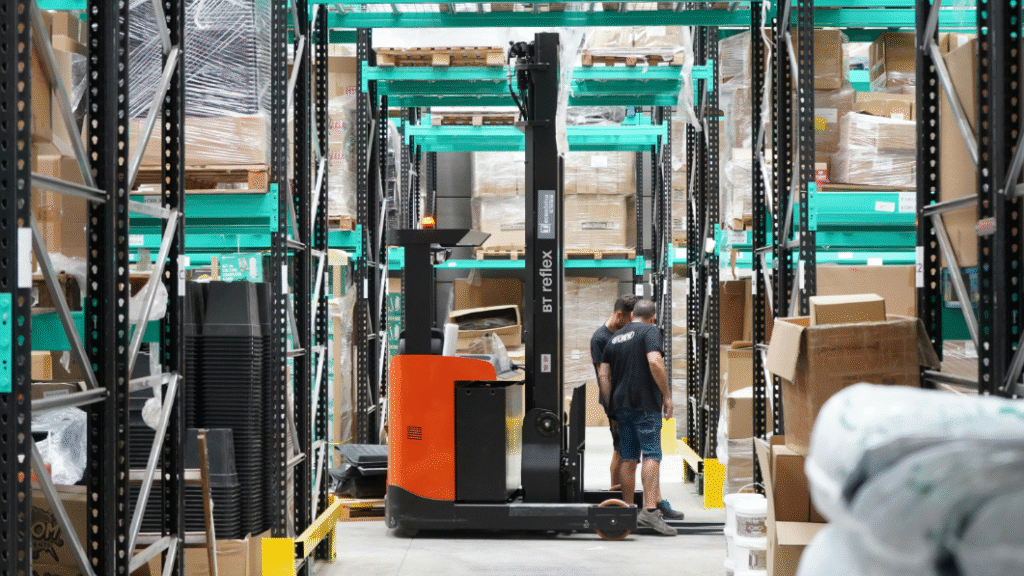
Technological innovations have transformed modern warehousing, enhancing efficiency and accuracy. As automation and smart systems become integral, businesses must adapt to maintain competitiveness. This exploration highlights the role of technology in transforming warehouse operations.
Warehousing practices have evolved significantly over the years. Initially focused on basic storage solutions, today’s warehousing integrates advanced technology to enhance efficiency and streamline operations. The integration of technology has transformed traditional methods, introducing smart systems that offer precise control over inventory and logistics. This shift emphasises the importance of technological adoption in maintaining competitive advantages within the industry. As you consider the impact of these advancements, it becomes clear that embracing technology is no longer optional but essential for operational success. With the advent of Storage Preston solutions, businesses are increasingly turning to innovative practices that promise enhanced productivity and accuracy.
Smart warehousing innovations change logistics

The introduction of smart warehousing concepts has dramatically altered how businesses manage logistics. One key aspect is the Internet of Things (IoT), which facilitates real-time monitoring and data sharing across various systems. IoT devices enable seamless communication between machinery and management systems, allowing for more informed decision-making. By integrating IoT into warehousing, you can achieve unprecedented levels of efficiency and responsiveness.
Automation and artificial intelligence (AI) further elevate warehousing processes by reducing manual labour and increasing accuracy. Automated guided vehicles (AGVs) and robotic arms are increasingly common in warehouses, handling tasks such as sorting, picking, and packing with precision. AI algorithms help optimise inventory management by predicting demand patterns and automating reordering processes. These technological advances not only improve operational efficiency but also free up human resources for more strategic tasks.
Efficiency and cost benefits from technology integration

Integrating technology into warehousing brings substantial benefits in terms of operational efficiency and cost reduction. Automated systems streamline workflows, reducing the time required for routine tasks such as inventory checks and order processing. This efficiency translates into lower operational costs, as fewer resources are needed to manage daily activities. By minimising errors through automation, businesses can significantly cut down on wasteful expenditures.
Improved inventory management is another crucial benefit of technological adoption in warehousing. Technologies such as RFID tags allow for real-time tracking of inventory, ensuring higher accuracy in stock counts and order fulfilment. You can expect fewer discrepancies between actual stock levels and recorded data, leading to more reliable service for customers. This level of precision not only enhances customer satisfaction but also contributes to a more streamlined supply chain.
Navigating challenges when adopting new technologies

While the benefits are clear, adopting new technologies in warehousing presents certain challenges that businesses must navigate carefully. One significant obstacle is the initial cost of implementing advanced systems, which can be substantial for smaller enterprises. It’s essential to assess potential return on investment before committing to large-scale technological upgrades.
Moreover, integrating new technologies requires thorough planning to ensure compatibility with existing systems. Businesses need to consider factors such as staff training, potential downtime during implementation, and cybersecurity measures to protect sensitive data. Addressing these considerations will facilitate smoother transitions and maximise the benefits of technological advancements.
The future landscape: trends in warehousing technology

The future of warehousing technology promises continued innovation with trends focusing on greater automation and connectivity. Emerging technologies such as blockchain are poised to enhance transparency and traceability within supply chains. By leveraging blockchain’s secure data-sharing capabilities, warehouses can improve collaboration with partners while maintaining data integrity.
The role of continuous innovation cannot be overstated in maintaining a competitive edge in this dynamic industry. As you look ahead, embracing advancements will be crucial for staying relevant in a rapidly evolving market landscape. Businesses that prioritise technological adaptation will likely find themselves better positioned to meet the demands of modern logistics.

I’m Laura Wilson, a passionate blogger and content creator with a deep interest in business, finance, and entrepreneurship. I’ve had the opportunity to write for several premium blogs, sharing insights & practical advice for individuals & small businesses. I’m the founder and publisher of ukbusinessmag.co.uk, where I focus on creating valuable, easy-to-understand content to help UK startups & SMEs grow.

