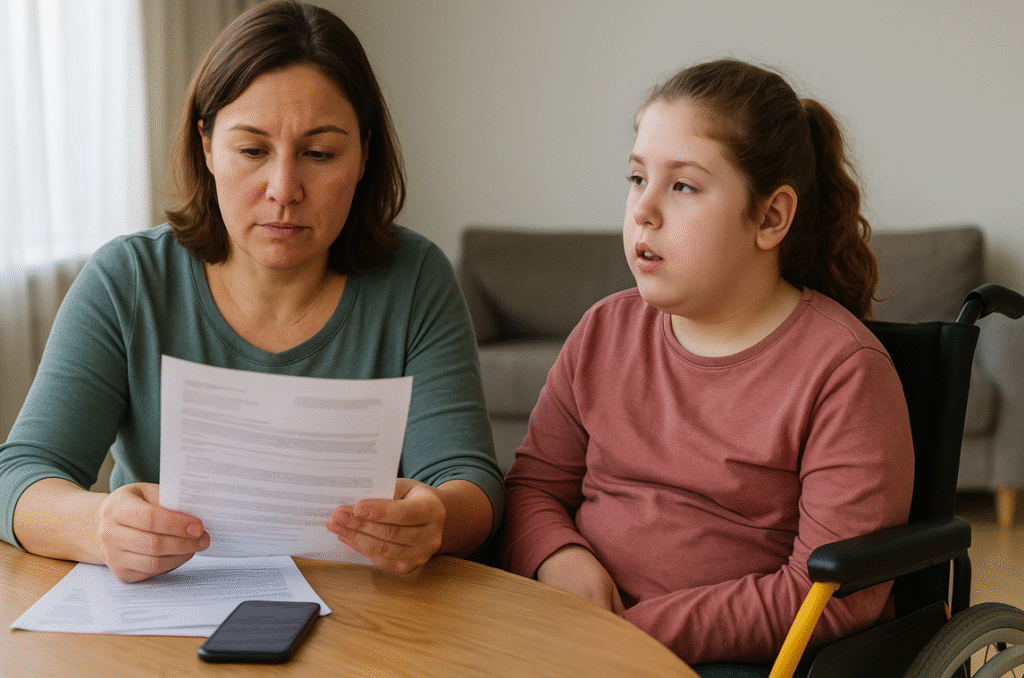
Families raising a disabled child in the UK often face higher living costs, from medical appointments to specialised equipment. The Disabled Child Element Universal Credit provides crucial financial help for parents and carers supporting a child with a disability. Understanding how this element works, who qualifies, and how to claim it can make a significant difference to your family’s monthly budget.
What Is the Disabled Child Element in Universal Credit and Who Can Claim It?
What does the Disabled Child Element mean under Universal Credit?
The Disabled Child Element is an additional payment within Universal Credit (UC) designed to support families with a child who has a disability or long-term health condition. It recognises the extra costs associated with raising a child who needs more care or supervision than other children their age.
This element is added on top of your regular child element in Universal Credit and helps bridge the gap created by extra expenses such as therapy sessions, transport to hospitals, or adaptive learning materials.
Who is eligible for the Disabled Child Element Universal Credit in the UK?
You can claim the Disabled Child Element if you are responsible for a child or young person under 20 who:
-
Gets Disability Living Allowance (DLA) or Personal Independence Payment (PIP), or
-
Is registered blind, or
-
Has a recognised health condition that limits their daily activities.
The child must usually live with you, and you must already receive Universal Credit for them.
How does the government assess a child’s disability for Universal Credit?
Eligibility is based on whether the child receives DLA or PIP. The level of award (lower, middle, or higher rate) determines whether you receive the lower or higher rate of the Disabled Child Element.
According to the Department for Work and Pensions (DWP),
“Claimants do not need to undergo a separate assessment for the Disabled Child Element; entitlement automatically follows the DLA or PIP award.”
What evidence or documentation do parents need to claim the Disabled Child Element?
You will need:
-
Your child’s DLA or PIP award letter
-
Details of your child’s medical or educational needs (if applicable)
-
Your Universal Credit claim reference number
Once uploaded or verified, DWP will automatically add the relevant element to your claim.
How Much Is the Disabled Child Element in Universal Credit? (2025 Rates)
What are the current Disabled Child Element rates for 2025?
As of April 2025, the Disabled Child Element is paid at two levels:
| Disability Level | Weekly Rate (2025) | Monthly Equivalent |
|---|---|---|
| Lower Rate (receiving DLA/PIP at standard care rate) | £156.45 | £676.00 |
| Higher Rate (receiving DLA/PIP at enhanced rate or registered blind) | £476.55 | £2,064.00 |
(Source: GOV.UK, DWP Universal Credit Rates 2025)
How do the rates differ for higher and lower disability levels?
The higher rate is intended for families caring for a child with a significant disability who requires substantial supervision or assistance throughout the day and night. This might include children who need constant care, use medical equipment, or have limited mobility.
The lower rate supports families whose child has moderate additional needs, such as requiring help with personal care or regular therapy sessions. Both rates aim to offset the financial strain that disability-related costs can create.
How often is the Disabled Child Element paid within Universal Credit?
Payments are made monthly, bundled within your Universal Credit award. You’ll see it itemised in your statement under “Additional elements.” The DWP pays this amount directly to your bank account along with your usual UC payment.
How Do You Apply for the Disabled Child Element Universal Credit?
What is the step-by-step process to add the Disabled Child Element to your Universal Credit claim?
-
Log in to your Universal Credit online account.
-
Select “Report a change of circumstances.”
-
Add your child’s DLA or PIP award details.
-
Upload proof (award letter or documentation).
-
Confirm and submit your update.
The DWP will verify the information and update your claim automatically.
How can you update an existing Universal Credit claim if your child becomes disabled later?
If your child’s condition changes or they are newly awarded DLA/PIP after your Universal Credit claim began, you can update your UC journal at any time. Once DWP confirms the award, the Disabled Child Element can be backdated to the start of the DLA/PIP award date.
What are common mistakes to avoid during the Disabled Child Element application?
-
Not reporting a new DLA/PIP award promptly
-
Entering incorrect award rates (standard vs enhanced)
-
Forgetting to upload the DLA/PIP decision letter
-
Missing deadlines for updates
Citizens Advice Specialist, 2025;
“Always report any new DLA or PIP award to Universal Credit within the same assessment period to avoid losing out on payments.”
How long does it take for the Disabled Child Element to be added to your payments?
In most cases, the update appears within one or two assessment periods (roughly one to two months). If it takes longer, message your case manager through your UC journal to chase progress.
How Does the Disabled Child Element Affect Your Overall Universal Credit Award?
How does the Disabled Child Element interact with other Universal Credit elements?
It stacks on top of other elements, including:
-
Standard allowance
-
Child element
-
Housing element
This means families can receive multiple elements simultaneously.
Will the Disabled Child Element reduce other benefits or income support?
No, receiving this element does not reduce entitlement to Child Benefit, Carer’s Allowance, or other non-means-tested benefits. However, since Universal Credit is income-based, a higher total award may slightly impact other income-tested supports.
How do changes in your child’s condition affect your Universal Credit entitlement?
If your child’s DLA or PIP award changes (for instance, from standard to enhanced), your Disabled Child Element will be recalculated. Always report these changes quickly to ensure your payments stay accurate.
How Does the Disabled Child Element Compare to Child Disability Living Allowance?
Can you get both DLA and the Disabled Child Element in Universal Credit?
Yes — and most families do. DLA (or PIP for older children) is a standalone disability benefit that focuses on the child’s care or mobility needs. The Disabled Child Element is an extra UC payment that recognises how those needs affect your household finances.
What are the main differences between DLA and the Disabled Child Element?
| Feature | DLA/PIP | Disabled Child Element (UC) |
|---|---|---|
| Purpose | Helps meet the child’s care and mobility needs | Helps the household with extra living costs |
| Paid To | The child’s parent or carer | Included in Universal Credit payment |
| Type | Standalone benefit | Add-on within UC |
| Eligibility | Based on disability assessment | Based on receipt of DLA/PIP |
What Support and Resources Are Available for Parents Claiming the Disabled Child Element?

What government resources and charities help families with disabled children in the UK?
Organisations that provide practical help include:
-
Contact – offers guidance on benefits and grants for disabled children
-
Scope – provides advice on disability rights and financial support
-
Citizens Advice – offers free, confidential help with Universal Credit applications
How can Citizens Advice and other organisations assist with Universal Credit claims?
They can:
-
Review your UC statement to ensure all elements are included
-
Help you appeal unfair decisions
-
Provide budgeting advice and connect you with local support services
What Are the Common Problems and Solutions When Claiming the Disabled Child Element?
Why do some claims for the Disabled Child Element get delayed or rejected?
Delays often occur when DLA or PIP details haven’t been linked correctly or documentation is missing. Sometimes, system errors can also prevent the update from processing. Checking your UC journal frequently helps catch these issues early.
How can you appeal a Universal Credit decision related to the Disabled Child Element?
If your claim is denied or the element is missing, request a mandatory reconsideration within one month of the decision. If you disagree with the reconsideration outcome, you can then appeal to an independent tribunal.
What evidence strengthens a claim during a mandatory reconsideration or appeal?
-
Medical reports from a GP or consultant
-
School or educational support plans (EHCPs)
-
Letters from therapists or specialists confirming the child’s needs
How Can Parents Maximise Their Universal Credit with a Disabled Child?

How can parents ensure they receive all the elements they’re entitled to?
Check if you qualify for:
-
The Carer Element (if you care for your child 35+ hours per week)
-
The Childcare Element (for childcare costs)
-
The Housing Element (if you rent your home)
What other benefits can be claimed alongside the Disabled Child Element?
You may also qualify for:
-
Child Benefit
-
Council Tax Reduction
-
Grants and charitable funds
How budgeting and grant support can help families manage costs
Organisations like Turn2Us and Family Fund offer grants for essential home equipment, respite breaks, and educational needs. Many local councils also provide Discretionary Housing Payments or cost-of-living top-ups for families with disabled children.
Conclusion
The Disabled Child Element Universal Credit helps families cope with the extra financial burden of caring for a disabled child. By knowing how to claim, what rates apply, and how to avoid common mistakes, parents can ensure they receive every penny they’re entitled to.
Keeping your Universal Credit claim updated and seeking help from reputable organisations ensures long-term financial stability and peace of mind for your family.
FAQs
How much is a Disabled Child Element on Universal Credit?
In 2025, it’s £156.45 per week for the lower rate and £476.55 per week for the higher rate.
Does the Disabled Child Element affect Universal Credit?
Yes, it increases your Universal Credit payment but doesn’t reduce any other elements or benefits.
Will Universal Credit back pay the Disabled Child Element?
Yes, DWP can backdate payments from the date your child’s DLA or PIP award began.
What is the Disabled Child Element Universal Credit high rate?
The high rate in 2025 is £476.55 per week (around £2,064 monthly).
How much is the disability payment for children?
Children can receive DLA from £26.90 to £116.75 weekly, depending on their care or mobility needs.

I’m Adam Milne, a business writer and co-author at UKBusinessMag.co.uk. I’m passionate about simplifying complex topics—whether it’s tax, startup strategy, or digital marketing—so that entrepreneurs can take action with confidence. With years of experience in small business consultancy, I bring a practical perspective to every piece I write, helping readers turn ideas into results.