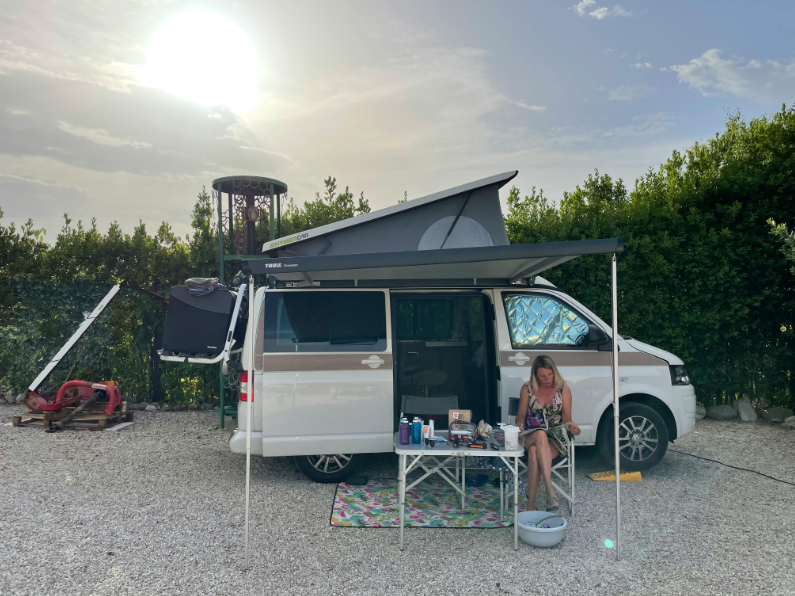
In rural Britain, most travellers anticipate picturesque landscapes, serene roads, and a welcoming pub serving delicious chips. Actual delivery feels odd. Villages shrink, roads narrow, hedges grow like inquisitive neighbours, and motorhomes become a rolling liability. More written and unwritten norms appear. So scenery isn’t the only surprise. The city fades into the horizon as the final grocery sign disappears, contrasting friendliness and animosity, freedom and limitation.
The Shock of Size and Space
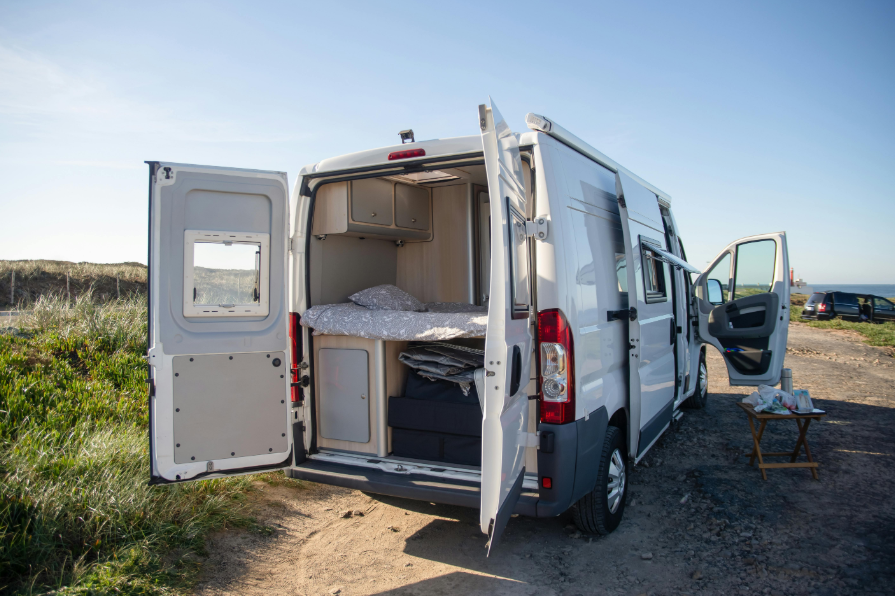
The countryside rarely offers initial surprises. The initial surprise often arises from the feeling of driving a motorhome after leaving the rental forecourt. With precise instructions and a calm first drive, a motorhome can seem reasonable during handover. Single-track roads and sharper corners teach you that width and awareness are as important as power. Luxury motorhome hire Edinburgh providers include route information, practical tips, and vehicle walk-throughs to help drivers arrange passing spots, mirror clearance, and pace.
Sat‑Nav Lies and Invisible Roads
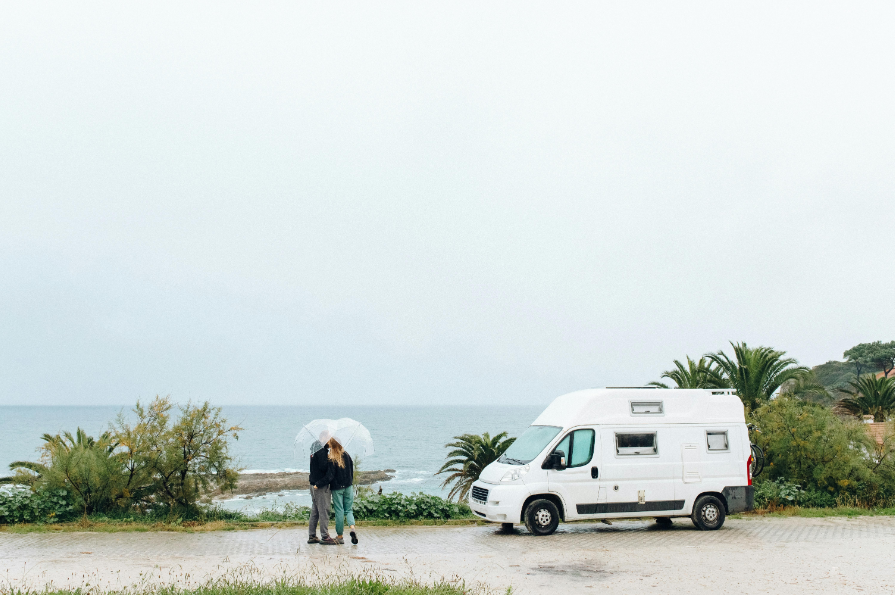
Digital maps promise calm control, blue lines gliding through green fields. In rural Britain, sat-nav provides misleading information. It sends heavy motorhomes down farm tracks, over weight‑restricted bridges, and into dead ends outside suspicious barns. So drivers start ignoring the clever voice and watch for paper signs nailed to telegraph poles instead. These signs convey a clear message, highlighting low bridges, weakened verges, and seasonal closures. The true map is found in parish notices, pub gossip, and the raised eyebrows of locals at the bar, not in glossy apps.
Car Parks, Height Bars, and Quiet Resentment
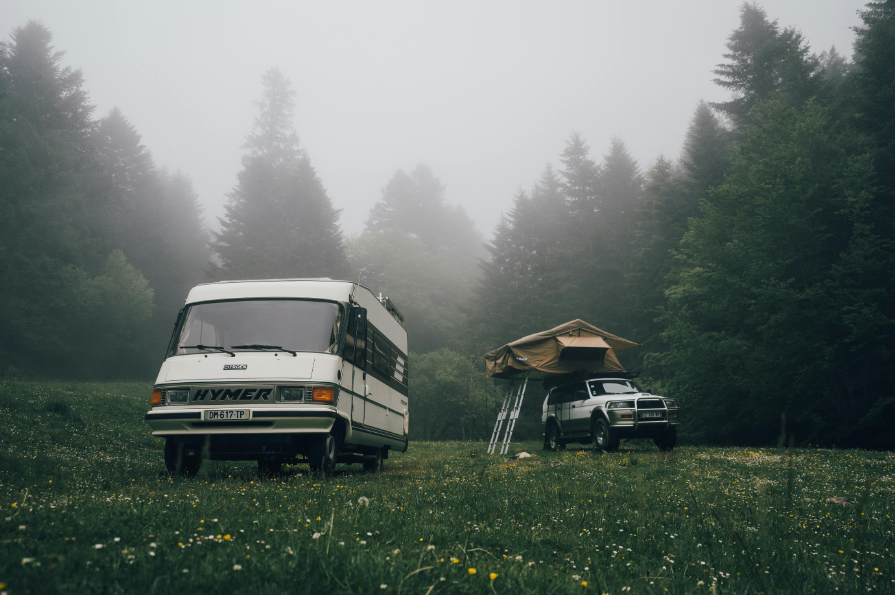
The second surprise sits above every lovely coastal car park: a steel bar. Height limits exclude slice motorhomes from half the best views. And when a motorhome finally squeezes in somewhere legal, payment machines sulk about vehicle types or demand obscure apps. So resentment grows on both sides. Locals see rolling hotels that dodge B&Bs. Travellers see towns that want their money but not their presence. The result feels oddly British: polite signs, passive-aggressive notices, and a silent war fought through parking policies, cones, chains, and sharply worded letters.
Silence, Darkness, and Strange Kindness
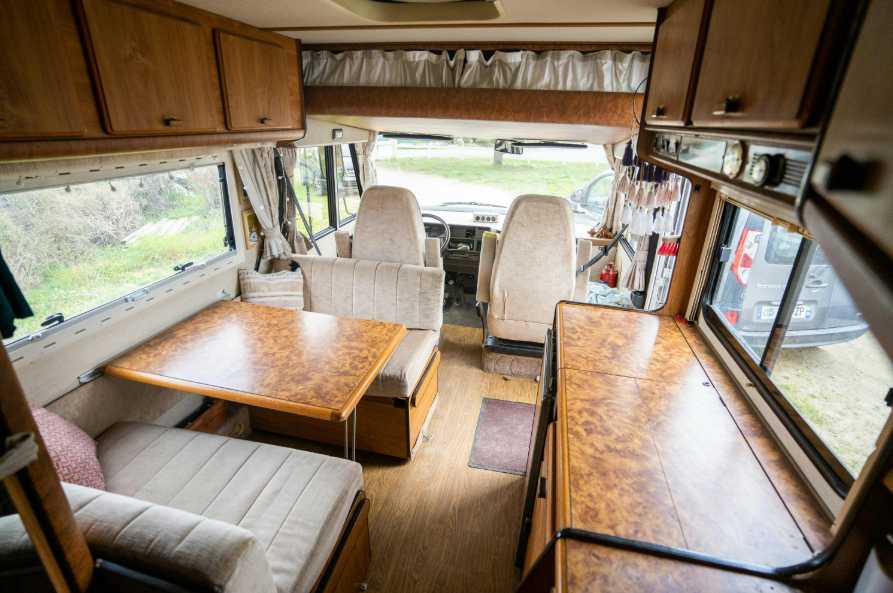
Rural nights surprise confident city drivers more than any hairpin bend. True dark falls, phone signals vanish, and a parked motorhome suddenly feels like a ship cut from its anchor. And then the odd kindness appears. A farmer waves a van onto a spare corner of gravel. A pub landlord points to the back field and says, “Stay, and just eat inside”. So the journey turns social, not scenic. The large vehicle on wheels begins to run errands, share stories, and provide half-remembered directions that quietly spread through the touring crowd and linger.
Conclusion
The largest surprise doesn’t come from sheep on the road or blind bends near stone bridges. It comes from the constant negotiation: machine against lane, visitor against habit, and freedom against patience. Rural Britain offers small roads and big opinions. And a motorhome throws that into sharper focus than any hire car ever could. People who treat the countryside like a theme park often face difficulties. Those who move more slowly, speak to locals, buy the odd pint, and accept occasional dead ends discover something better than views: an actual conversation with the place.

I’m Laura Wilson, a passionate blogger and content creator with a deep interest in business, finance, and entrepreneurship. I’ve had the opportunity to write for several premium blogs, sharing insights & practical advice for individuals & small businesses. I’m the founder and publisher of ukbusinessmag.co.uk, where I focus on creating valuable, easy-to-understand content to help UK startups & SMEs grow.