
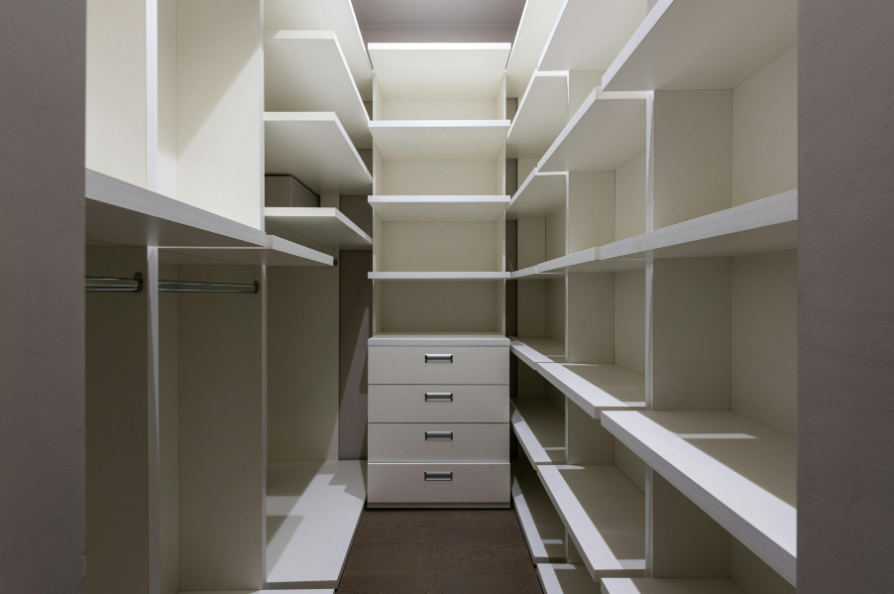
External storage is a practical solution for businesses facing space and cost constraints. By separating storage needs from the main premises, it is often possible to reduce overheads while maintaining operational efficiency. The ability to scale storage capacity and use it only when needed makes external storage relevant for many sectors.
Why so Many Businesses Turn to External Storage
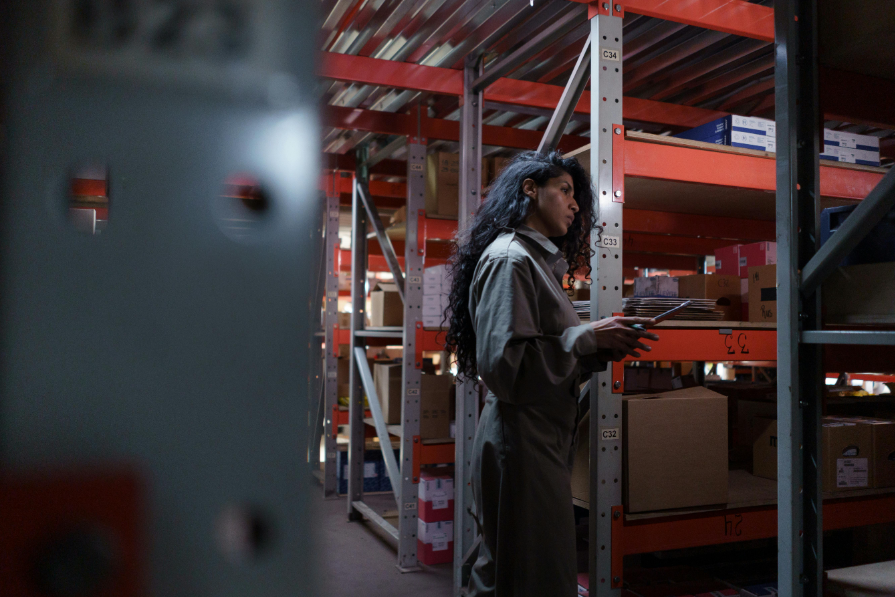
One of the main factors explaining the growing use of external storage is the scarcity of space in commercial premises. Office and warehouse rents can be expensive, especially in urban areas. This means that it is often preferable to focus on income-generating activities rather than storage. External storage spaces are good for storing surplus stock, equipment or materials that are not used on a daily basis.
Seasonality of demand is another important factor. Retail businesses, commercial enterprises and event companies often experience predictable peaks in activity and quieter periods. By using external storage, they can manage fluctuations in their inventory without having to rent larger premises year-round. Relocations and renovations also play a role, as short- or medium-term storage is often necessary when moving offices or modernising facilities.
Types of External Storage Options

External storage comes in various formats, suited to different needs. Ideally, it is preferable that it is not too far from your business. Luckily, there is a good chance that you will find a storage unit in your city, as this solution is becoming increasingly common.
Self-service storage units are one of the most common options. Access to these units is generally restricted to the renter and may include services such as extended opening hours or climate control for sensitive items.
Container storage is another popular solution. Often located at ground level and accessible directly from the outside, this format is particularly suitable for businesses that store bulky items, tools or equipment that require quick loading and unloading.
For more specific needs, some providers offer customised storage solutions, including boxes of suitable sizes, enhanced security features or controlled environments. The choice of solution generally depends on the type of goods stored, the frequency of access and any special handling requirements.
Key Benefits
External storage offers flexibility that is rarely matched by traditional commercial property. Lease terms are often short and flexible, allowing for rapid adaptation to demand without long-term commitments. This makes it easier to adjust storage space according to operational needs.
Cost-effectiveness is another major advantage. Renting external storage space is often more economical than renting large offices or warehouses, especially when demand fluctuates. There is no need to pay for unused space, as storage always can be adjusted to match your actual needs. In addition, many storage contracts are simplified and involve fewer obligations.
Scalability is another key point. There is no need to commit to a fixed amount of space from the outset. Instead, you can start with a small unit and gradually expand.
Factors to Consider Before Renting Storage

Choosing the right storage solution requires careful evaluation of practical and operational factors. Location is often a priority, as proximity to business premises or transport links affects efficiency and costs. Access hours must match work schedules, especially if you need early morning or evening access.
The size of the unit is another important criterion. Choosing a space that is suited to current needs, without excess capacity, helps to control costs. However, allowing some extra room
for short-term volume peaks reduces the need for frequent moves. Security measures must be carefully considered, including on-site surveillance, gated access and individual locking systems.
Insurance requirements vary depending on the nature and value of the goods stored. It is therefore essential to fully understand the coverage included and any additional protection required. For sensitive goods, such as documents or equipment that can be affected by temperature and humidity, climate-controlled units may be required.
Costs and Pricing Structures
The price of external storage is generally calculated based on the size of the unit and billed monthly. Small units are suitable for storing documents or limited inventory, while larger spaces can accommodate bulky equipment or goods. In most cases, basic security and standard access are included in the rental price.
Additional fees may apply depending on requirements. Insurance is sometimes offered as an option, particularly for valuable items. Fees may also be charged for packaging materials, upgraded access options, or enhanced environmental control. Understanding what is included in the base price helps avoid unexpected expenses and ensures a cost-effective storage solution.
Tips for Efficient Storage Management

Effective storage management starts with good organisation. Clear labelling of boxes and shelves makes it easier to locate items quickly and reduces search time. Also, keeping an up-to-date inventory allows you to track the contents of your storage and identify items that are no longer needed.
Shelving systems that make use of vertical space can significantly increase the usable capacity of a storage unit. In addition, as mentioned above, choosing a storage unit size that suits your current needs, rather than oversizing your space, helps to control costs while ensuring orderly storage. Finally, it is important to regularly check the contents of your storage unit to ensure that the space still meets your needs.

I’m Laura Wilson, a passionate blogger and content creator with a deep interest in business, finance, and entrepreneurship. I’ve had the opportunity to write for several premium blogs, sharing insights & practical advice for individuals & small businesses. I’m the founder and publisher of ukbusinessmag.co.uk, where I focus on creating valuable, easy-to-understand content to help UK startups & SMEs grow.

