
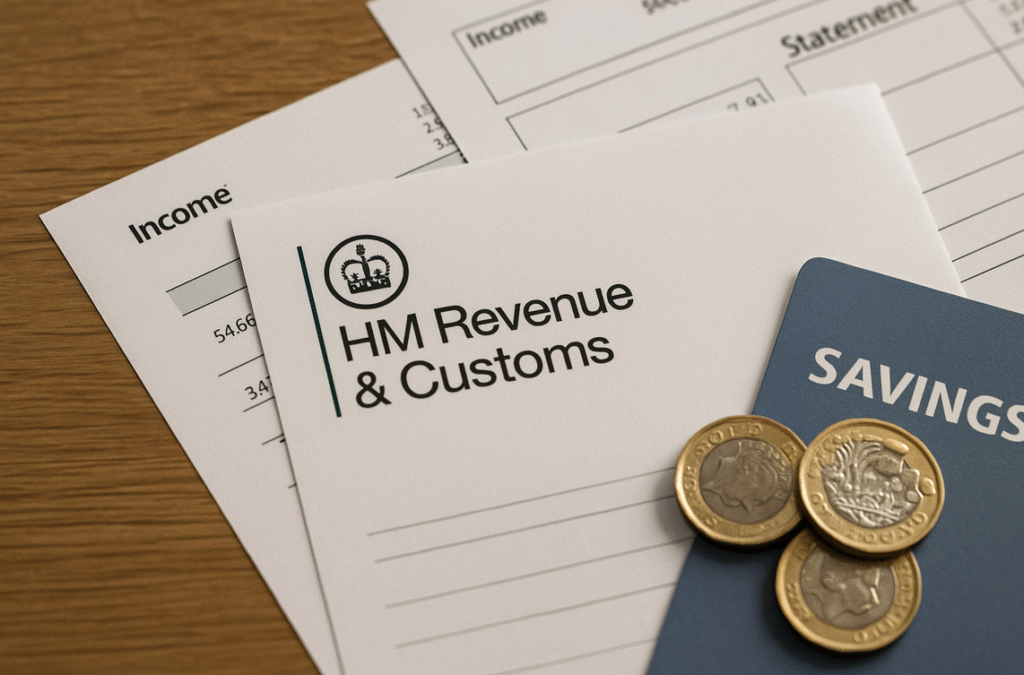
What Are HMRC Notices and Why Might You Receive One?
What does HMRC do with your pension and savings information?
HMRC collects information from your pension provider, bank, and sometimes the Department for Work and Pensions (DWP). They use this data to check whether you’ve paid the correct amount of tax. Even after retirement, you might still pay tax on private pensions, workplace pensions, or savings interest — which is why HMRC keeps an eye on things.
They mainly check:
-
The total income you receive from all pensions
-
Interest earned from your savings accounts
-
Whether your tax code reflects your current income sources
This ongoing review helps HMRC decide whether the tax you’ve paid is accurate or needs adjusting.
Why might HMRC send you a P800 or PAYE coding notice?
A P800 tax calculation is one of the most common letters pensioners receive. It tells you whether, over the last tax year, you paid too much or too little tax. This usually happens because your tax code didn’t reflect your exact income.
A PAYE coding notice explains how HMRC will collect tax going forward. If you have more than one pension, HMRC may adjust one provider to collect all the tax you owe for the year.
These notices help HMRC keep your tax as accurate and up-to-date as possible.
How does HMRC check your pension income and savings interest each year?
At the end of each tax year, HMRC compares the information they have about your income with the tax you’ve paid. They use data from:
-
Your pension provider
-
Your bank (for savings interest)
If anything looks different from expected — even by a small amount — they issue a notice to keep you updated.
What Do HMRC Notices Mean for Your Pension Savings?

What happens when HMRC says you have overpaid tax?
Overpayments are more common than you might think. You may receive a refund because:
-
Your tax code was too high
-
You started or stopped a pension partway through the year
-
Your savings interest was lower than HMRC estimated
-
Your income changed unexpectedly
A P800 showing an overpayment is good news — HMRC will give the money back to you.
How do you claim a refund shown on a P800 notice?
HMRC refunds can be claimed through your online Personal Tax Account or automatically paid if you can’t claim digitally. You’ll need information like your National Insurance number and the reference shown in the letter.
Here’s a quick comparison:
| Type of Refund | How It’s Paid | When It Arrives |
|---|---|---|
| Online claim via Personal Tax Account | Direct to your bank | Usually within 5 working days |
| Automatically issued cheque | Posted to your address | Within 2–4 weeks |
| Payment via payroll adjustment | Adjusted in next year’s tax code | Applied monthly |
A refund notice is often a sign that your tax code needs reviewing for the next year.
What should you do if HMRC says you Underpaid Tax on your pension or savings?
If you’ve underpaid tax, don’t panic — it’s usually a small amount. Underpayments can happen when:
-
You have several pensions
-
Your savings interest goes up
-
You draw down from a private pension pot
-
HMRC estimates your income incorrectly
HMRC normally collects the underpayment through your tax code next year, spreading it across your payments.
How Can You Reduce the Risk of Receiving Unexpected HMRC Notices?
What steps help you keep your Tax Code accurate?
Keeping your tax code accurate reduces the likelihood of a surprise bill. You can review your code through your Personal Tax Account or by checking your pension payslips. Look for unfamiliar letters or numbers — they may indicate adjustments you weren’t aware of.
Common triggers for tax code errors include:
-
Starting an additional pension
-
A rise in taxable savings interest
-
Receiving a lump sum or drawdown from a pension pot
A quick annual check can save you a lot of stress.
How can you track changes in your savings interest to avoid surprises?
Savings interest has increased significantly in recent years, catching many pensioners off guard. Even small balances in high-interest accounts can cause taxable interest above the Personal Savings Allowance.
To stay ahead:
-
Review your bank’s annual interest summary
-
Add up interest from all accounts (not just the main one)
-
Monitor when promotional interest rates end
This helps you understand whether your savings might impact your tax.
How Should You Respond When You Receive an HMRC Notice?

What information should you gather before contacting HMRC?
If something doesn’t look right, it helps to gather these documents before calling:
-
Bank interest summaries
-
Recent payslips from private pensions
-
The notice you received
This ensures your call or online query is smooth and quick.
How can you check whether a notice is genuine and not a scam?
Sadly, many pensioners are targeted by fake HMRC emails or texts. Genuine HMRC letters:
-
Are usually sent by post
-
Show your NI number
-
Reference your tax code or P800
-
Do NOT ask for card or bank details by SMS
If you’re unsure, contact HMRC directly using the official phone numbers on GOV.UK.
How Can You Manage Your Pension and Savings More Tax-Efficiently?

What allowances should you know to protect your retirement income?
Understanding your allowances helps keep more of your money in your pocket. The key ones are:
| Allowance | Amount | Applies To |
|---|---|---|
| Personal Allowance | £12,570 | Most pension income |
| Personal Savings Allowance | £1,000 / £500 | Taxable savings interest |
| Starting Rate for Savings | Up to £5,000 | Low-income savers |
| Pension Lump Sum Allowance | 25% tax free | Pension withdrawals |
Knowing these thresholds helps you avoid surprise notices and underpayments.
How can you plan withdrawals or savings interest to stay within tax limits?
Planning ahead can make a big difference. You can:
-
Spread savings withdrawals over two tax years
-
Move money into tax-free accounts like ISAs
-
Avoid drawing large taxable sums in one go
-
Review income each April at the start of the tax year
These small steps help keep your income predictable — and your tax straightforward.
Conclusion
Understanding HMRC notices for UK pensioners savings helps you stay confident and in control of your retirement income. By knowing why notices appear, how tax codes work, and what to check when income changes, you can avoid surprises and keep your finances running smoothly. Whether it’s a simple coding update or a refund on the way, staying informed makes all the difference in retirement.
FAQs
1. Are pensioners going to be taxed on their State Pension?
Yes — the State Pension is taxable income, but tax isn’t deducted automatically, so HMRC collects it through your tax code if your total income goes above the Personal Allowance.
2. How do HMRC know if you have savings?
HMRC automatically receives information from banks and building societies about your yearly savings interest.
3. What do pensioners need to do after receiving an HMRC notice?
You should read it carefully, check the figures against your pension and savings records, and contact HMRC only if something looks incorrect.
4. Do I have to inform HMRC of my savings interest?
Usually no — banks report interest automatically, unless you have unusual or foreign accounts that HMRC cannot see.
5. What is the HMRC warning for anyone with over £3,500 savings in their bank account?
If your savings generate interest above your Personal Savings Allowance, HMRC may adjust your tax code to collect tax on that interest.

I’m Adam Milne, a business writer and co-author at UKBusinessMag.co.uk. I’m passionate about simplifying complex topics—whether it’s tax, startup strategy, or digital marketing—so that entrepreneurs can take action with confidence. With years of experience in small business consultancy, I bring a practical perspective to every piece I write, helping readers turn ideas into results.

